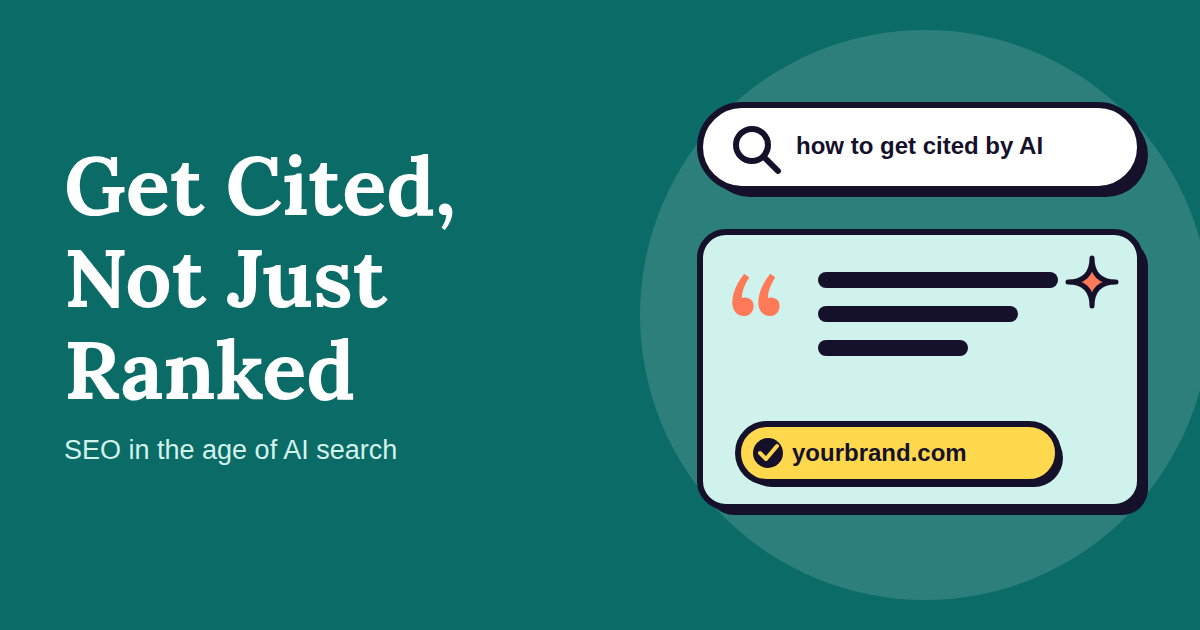
SEO, AI search optimization, Search results now often include AI-generated summaries, and many users ask chat assistants instead of clicking through ten blue links. Ranking still matters, but being the source an AI quotes matters too. AI answers are changing how people find information. Learn how to structure content so search engines and AI assistants cite your brand.
Primary keyword: AI search optimization
What to change:
1. Lead with the answer.
Put a clear 40-60 word answer directly under each question-style heading, then expand.
2. Publish original value:
First-party data, case studies, and real experience are hard for AI to replicate and easy to cite.
3. Make entities clear:
Be consistent about who you are, what you do, and who your authors are. Use About pages, author bios, and schema markup.
4. Structure for scanning:
Descriptive headings, short paragraphs, tables, and FAQs.
5. Build authority off-site:
Mentions and links from credible publications, communities, and directories reinforce trust.
6. Keep content fresh:
Update key pages with current information and a visible date.
What doesn’t change:
fast pages, mobile usability, clean site architecture, and content that satisfies search intent. Fundamentals still get you into the pool of sources AI draws from.
How to measure it:
• Manually test your top 20 queries in AI assistants each month and note whether you’re cited.
• Track branded search volume, since being mentioned often lifts it.
• Watch referral traffic from AI platforms in your analytics.
• Track conversions from organic traffic, not just clicks, because AI-referred visitors tend to arrive with more context.
Takeaway: Treat every page as a source worth quoting. Clear answers, real expertise, and strong authority signals win in both classic and AI search.
Leave a Reply